


|

 Send Inquiry
Premium HDPE Electrofusion Fitting
Premium HDPE Electrofusion Fitting Specification
- Diameter
- 20 mm to 315 mm
- Tensile Strength
- >22 MPa
- Connection Type
- Socket Weld (Electrofusion)
- Bend Radius
- Depends on fitting size; typically not bendable
- Temperature Range
- -40C to +80C
- Flexibility
- High
- Tolerance
- 0.05 mm
- Yield Strength
- >18 MPa
- Sealing Type
- Fusion Welded
- Product Type
- HDPE Electrofusion Fitting
- Material
- High Density Polyethylene (HDPE)
- Connection
- Electrofusion
- Shape
- Elbow / Coupler / Tee / Reducer (as per model)
- Standard
- ISO 4427 / DIN 8074 / IS 4984
- Surface Treatment
- Smooth Finish
- Outer Diameter
- 20 mm to 315 mm
- Section Shape
- Round
- Length
- Varies with model
- Thickness
- 4 mm to 20 mm (depending on size)
- Color
- Black with Blue Stripes
- Usage
- Water, Gas, and Industrial Fluids Piping Systems
- Rated Pressure
- PN6, PN10, PN16
- Application
- Pipeline Jointing / Distribution System
- Material Grade
- PE100
- Packaging Type
- Boxed or Wrapped
- Minimum Order Quantity
- As per supplier catalogue
- Service Life
- 50 Years Under Normal Use
- Installation Method
- Electrofusion Machine Required
- Corrosion Resistance
- Excellent
- Weight
- Varies with fitting size
- Resistant To
- UV, Chemicals, Abrasion
- Leak Proof Performance
- 100% Leak Proof When Properly Installed
Premium HDPE Electrofusion Fitting About
A Premium HDPE (High-Density Polyethylene) Electrofusion Fitting represents the highest standard of jointing technology for pressure piping networks. These fittings are widely used across municipal water distribution, natural gas lines, industrial fluid transit, and sewerage systems because they create a completely unified, leak-proof piping system.
Here is a comprehensive breakdown of everything you need to know about premium electrofusion fittings, from technical specifications to procurement features:
1. Core Technical Specifications
Premium fittings are distinguished by high-grade material properties and structural standards:
-
Material Grade (PE100 / PE100-RC): Premium manufacturers utilize 100% virgin PE100 or PE100-RC (Resistance to Crack) black resin. This ensures the fitting matches or exceeds the strength and 50-to-100-year lifespan of the HDPE pipes themselves.
-
Pressure Ratings (PN16 / PN10): These fittings are engineered to withstand massive interior forces. Premium fittings generally carry a minimum rating of PN16 (working pressure of 16 bar or 16 kg/cm) for water distribution, and are rated safely up to 10 bar for natural gas lines.
-
Size Versatility: Standard offerings span an Outer Diameter (OD) range of 20 mm up to 315 mm, with heavy industrial variants reaching 500 mm+.
2. Premium Product Anatomy & Technology
What separates a standard fitting from a "premium" alternative is how the integrated heating elements and smart tracking features are implemented:
-
Exposed Wire / Micro-Layer Coil Technology: Lower-quality fittings bury copper wires deep within the plastic, which slows down heat transfer. Premium options feature precisely spaced, exposed, or thinly micro-layered copper heating coils. This transfers heat directly to the pipe surface, guaranteeing a uniform molecular fusion.
-
Generous "Cold Zones": Premium fittings feature elongated non-heating zones at the outer boundaries and the center stop. This prevents the molten plastic from flowing out during the heating cycle, keeping the expanding polymer contained under massive pressure for a flawless structural weld.
-
Smart Barcode System: Every premium piece comes with an embedded barcode label compliant with international standards (like ISO 13950). When scanned by an Electrofusion Control Unit (ECU), the machine automatically sets the exact voltage, fusion time, and required cooling cycle based on ambient temperatures.
-
Pop-up Melt Indicators: These are small built-in pins that extend outward once the internal joint achieves proper expansion pressure, providing a visual confirmation to field engineers that the weld was successful.
3. Primary Types of Fittings
Depending on the architecture of the pipeline project, a complete system requires a variety of specialized configurations:
-
Electrofusion Couplers: The fundamental straight joint used to fuse two lengths of pipe end-to-end.
-
Elbows (90 and 45): Precision bends designed for clean directional changes within trenches without placing stress on the line.
-
Equal and Reducing Tees: Used to create branch lines. Equal tees split into lines of the same diameter, while reducing tees transition seamlessly to smaller pipe sizes.
-
Reducers: Built to smoothly step down a primary pipeline size to a lower diameter.
-
Tapping Saddles / Service Saddles: Used extensively in utility grids to tie a new residential or branch service line directly into an active, high-pressure main line without shutting off the main system flow.
4. Market Procurement Details
For procurement managers, distribution partners, and engineers sourcing these products in bulk (e.g., through B2B channels, major distributors, or leading local manufacturers such as Gokul Poly Valves, Rudra Plast, Supreme Industries, or Arihant Plast), the standard commercial dynamics include:
-
Minimum Order Quantities (MOQ): Depending on the size of the fitting, production runs typically require an MOQ of 50 to 100 units for standard sizes (like 110 mm couplers) and slightly smaller quantities for complex components like tapping saddles.
-
Quality & Standards Compliance: Premium-grade fittings strictly adhere to rigorous national and global benchmarks, ensuring safety in drinking water or gas infrastructure:
-
IS 4984 / IS 14885 (Indian Standards for water and gas applications)
-
ISO 9001 Quality-certified manufacturing processes
-
EN 1555 / EN 12201 European standards for gas and water distribution systems
-
5. Critical Installation Best Practices
Even a premium fitting cannot compensate for poor surface preparation. Field teams must follow a strict three-step protocol:
-
Mechanical Scraping: The outer layer of the HDPE pipe must be scraped using a proper pipe scraper tool to remove the microscopic layer of natural oxidation. Skipping this causes the joint to fail under pressure.
-
Chemical Cleaning: The scraped pipe surface and the inside of the fitting must be thoroughly wiped down using 90%+ Isopropyl Alcohol wipes to remove grease and dust.
-
Clamping: The pipe assembly must be held completely rigid using specialized pipe clamps during both the heating and cooling phases to prevent movement during dynamic thermal expansion.
Superior Resistance and Durability
These HDPE electrofusion fittings are specially designed to withstand harsh operating conditions, including exposure to UV rays, chemicals, and abrasive materials. Their exceptional corrosion resistance ensures longevity, making them ideal for demanding water, gas, and industrial fluid distribution systems. Thanks to their PE100 grade material, you can trust these fittings to maintain structural integrity for decades.
Leak-Proof and Reliable Joints
Achieve 100% leak-proof connections when installed with an electrofusion machine and proper technique. The fusion welded sealing type guarantees no gaps or weak points at the joint, offering peace of mind when it comes to system reliability. Their precise manufacturing standards ensure every fitting meets stringent international regulations such as ISO 4427 and DIN 8074.
Easy Installation & Versatile Application
These fittings are compatible with a range of pipeline diameters (20 mm to 315 mm) and various models like elbow, coupler, tee, or reducer. Installation is straightforward using an electrofusion machine, suitable for new projects or maintenance on existing pipelines. Their high flexibility and smooth finish allow for easier handling and less frictional loss.
FAQ's of Premium HDPE Electrofusion Fitting:
Q: How are Premium HDPE Electrofusion Fittings installed?
A: These fittings require installation using an electrofusion machine, which heats and fuses the socket ends to create a secure, leak-proof joint. Proper preparation and adherence to manufacturer guidelines are essential for optimal results.Q: What advantages do HDPE electrofusion fittings offer compared to traditional joining methods?
A: They provide 100% leak-proof performance when properly installed, superior resistance to corrosion, chemicals, and abrasion, and offer a long service life of up to 50 years. The electrofusion process results in strong, permanent connections without the need for additional adhesives or mechanical fasteners.Q: When should I use these fittings in my pipeline system?
A: Premium HDPE electrofusion fittings are best suited for water supply, gas distribution, and industrial piping applications that demand high durability and minimal leakage. They are ideal for both new installations and for repair or upgrade of existing networks.Q: Where can these fittings be applied?
A: These fittings are widely used in municipal water and gas distribution networks, industrial fluid transport systems, and any application requiring robust, corrosion-resistant pipeline joints. Their wide pressure and temperature range enhances versatility in various environments.Q: What is the process for ensuring a 100% leak-proof joint?
A: Carefully clean and prepare the pipe and fitting ends, align them as per manufacturer's instructions, and use a certified electrofusion machine to complete the welding. Adhering closely to guidelines about temperature and cooling time is key to achieving a successful, leak-proof bond.Q: What diameters and shapes are available for these fittings?
A: They are available in diameters ranging from 20 mm to 315 mm and come in several standard shapes such as elbow, coupler, tee, and reducer-covering a broad range of pipeline design needs.Q: How does the product's flexibility benefit installation and reliability?
A: The high flexibility of PE100 HDPE helps the fittings absorb ground movement and vibration, reducing the risk of cracks or leaks over years of service. This makes them exceptionally reliable for long-term pipeline infrastructure.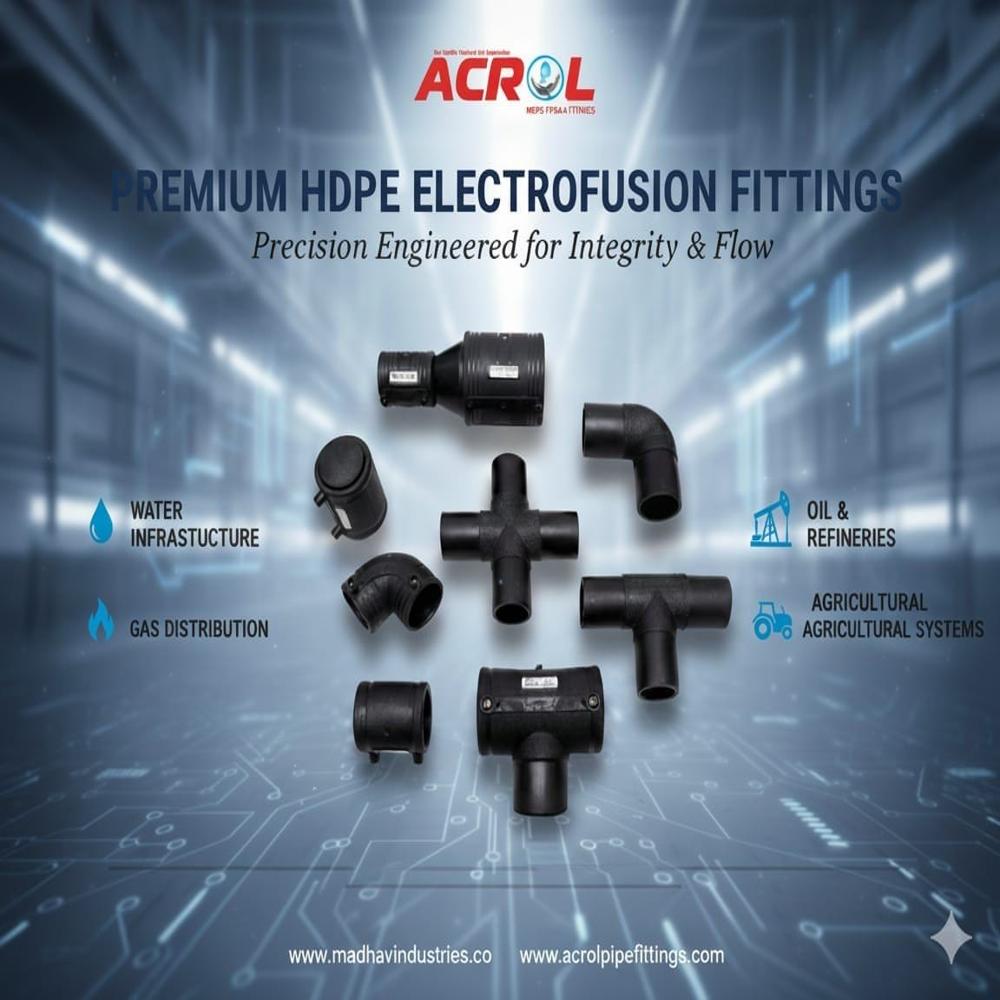

Price:
- 50
- 100
- 200
- 250
- 500
- 1000+

More Products in Electrofusion Fittings Category
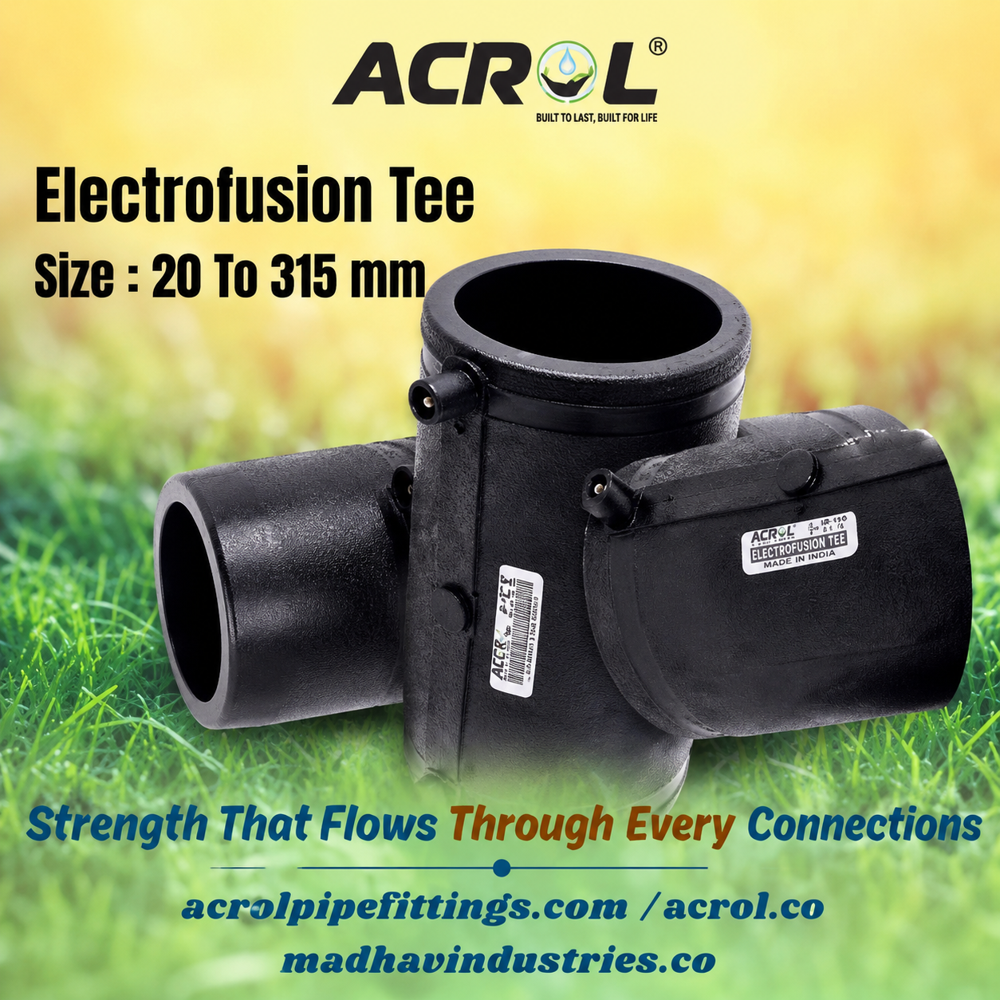
Electrofusion Tee
Minimum Order Quantity : 100 Pieces
Length : Varies with diameter (typically 100 mm to 350 mm)
Outer Diameter : 20 mm to 315 mm
Material : Other
Standard : Other
Connection : Other, Electrofusion
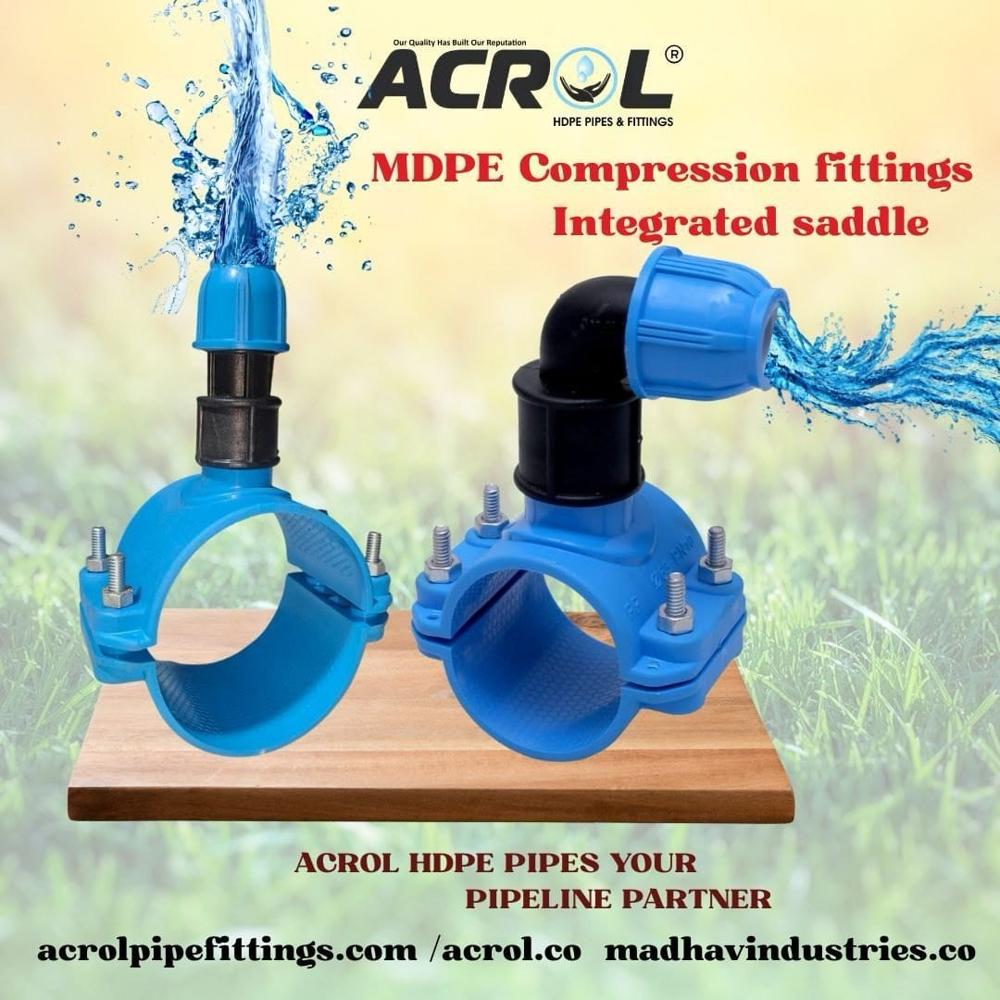
Integrated Saddle
Minimum Order Quantity : 100 Pieces
Length : Customized / Standard length
Outer Diameter : 63 mm to 315 mm (varies)
Material : Other
Standard : Other
Connection : Other, Threaded / Fusion Joint
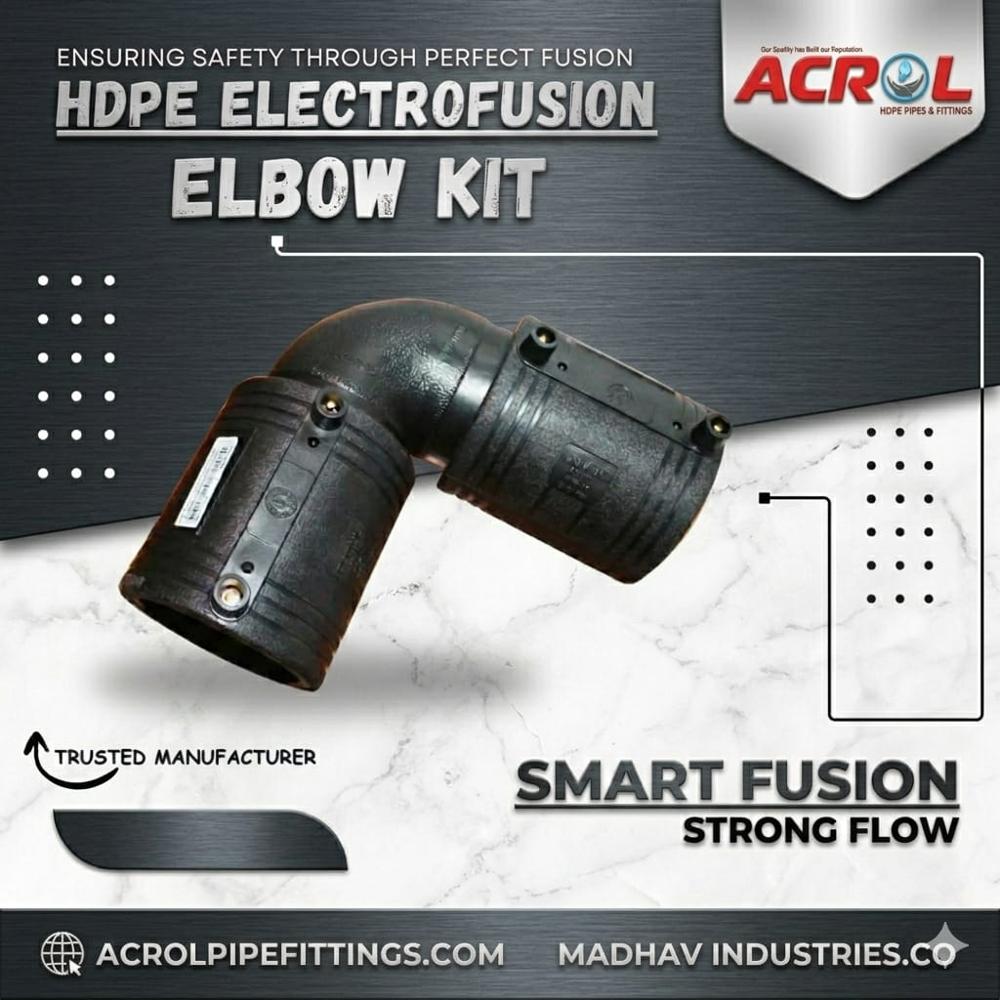
Electrofusion Elbow
Minimum Order Quantity : 100 Pieces
Length : Standard as per size (e.g., 90 mm for 63 mm OD)
Outer Diameter : 63 mm, 90 mm, 110 mm, 160 mm (custom sizes available)
Material : Other
Standard : Other
Connection : Other, Electrofusion
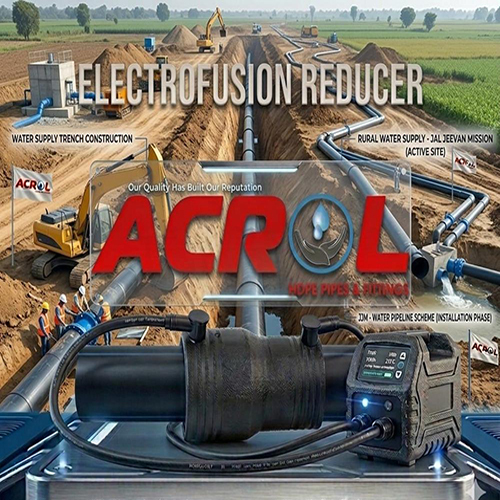
Electrofusion Reducer
Minimum Order Quantity : 100 Pieces
Length : Custom / As per size
Outer Diameter : 20 mm 315 mm
Material : Other
Standard : Other
Connection : Other, Electrofusion



Contact Details
GST : 24DPIPR3420D1Z6
 Send Inquiry
 |
Madhav Industries
All Rights Reserved.(Terms of Use) Developed and Managed by Infocom Network Private Limited. |
